Top Factors Family Members Pick Senior Care Communities for Memory Loss
Business Name: BeeHive Homes of Alamogordo
Address: 1106 San Cristo St, Alamogordo, NM 88310
Phone: (575) 215-3900
BeeHive Homes of Alamogordo
Beehive Homes assisted living care is ideal for those who value their independence but require help with some of the activities of daily living. Residents enjoy 24-hour support, private bedrooms with baths, medication monitoring, home-cooked meals, housekeeping and laundry services, social activities and outings, and daily physical and mental exercise opportunities. Beehive Homes memory care services accommodates the growing number of seniors affected by memory loss and dementia. Beehive Homes offers respite (short-term) care for your loved one should the need arise. Whether help is needed after a surgery or illness, for vacation coverage, or just a break from the routine, respite care provides you peace of mind for any length of stay.
1106 San Cristo St, Alamogordo, NM 88310
Business Hours
When amnesia starts changing a parent's every day life, family members normally feel it before they can totally name it. A missed costs settlement here, a pot left on the range there, a call from a next-door neighbor that saw something "off." The adjustments can be small initially, after that instantly they are not small whatsoever. That is typically the factor when family members start checking out senior care areas, especially options built especially for memory care.
For numerous families, the choice is less regarding where somebody lives and even more regarding exactly how to safeguard a person's dignity, safety, and quality of life when acquainted routines no longer hold. Family members do not usually choose memory care since they intend to hand off responsibility. They select it due to the fact that the demands of amnesia at some point outgrow what even a devoted family can safely handle at home.
Safety becomes a daily concern, not a hypothetical one
The first factor households turn to senior care communities is commonly one of the most practical: safety. Amnesia can alter judgment, spatial recognition, and the capability to react calmly in emergency situations. A loved one that when managed a home with confidence might start leaving doors open, straying outside at odd hours, failing to remember to shut off the oven, or coming to be dizzy in areas they have actually recognized for decades.
At home, households can include locks, labels, alarms, and camera systems, and those devices do help. Yet they do not replace human supervision. A boy can mount an oven shutoff gadget, yet still stress whenever his mother walks right into the cooking area. A child can advise her father not to unlock for unfamiliar people, however she can not exist every hour of the day. That continuous watchfulness puts on people down.
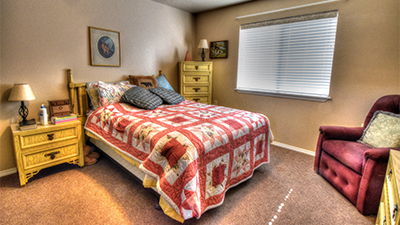
Memory care neighborhoods are made to reduce those dangers in ways that are difficult to replicate in a personal house. Safe entryways, design preparation that dissuades roaming into dangerous areas, team that understand complication as a signs and symptom as opposed to an annoyance, and environments with fewer trip threats all matter. Households often describe a feeling of alleviation the first time they see an area that has actually currently analyzed the details they have actually been improvisating at home.
Familiar regimens are much easier to keep with skilled support
Memory loss can make daily life oddly vulnerable. A person might still recognize a favorite track, a grandchild's face, or the course to church, however neglect just how to sequence morning jobs. Getting clothed might take an hour. Showering might trigger frustration. Dishes may be missed because the individual no more really feels hunger cues at the right time or can not remember whether they already ate.
That is where trained assistance alters the whole rhythm of the day. In solid memory care programs, employee do not just "assist." They break tasks into manageable steps, redirect delicately, and keep the day moving with familiar signs. The worth of that assistance is not only that it gets points done. It also reduces irritation. An individual who has actually repeated losses of control typically comes to be defensive, embarrassed, or taken out. Thoughtful assistance can maintain self-respect where candid correction just deepens distress.
Families commonly discover that a loved one who appeared resistant at home settles much more easily in a setting where the expectations correspond. Bathroom time occurs at the same hour. Dishes come with foreseeable times. Medication is monitored. Activities are used with enough structure to be assuring, not frustrating. That predictability can be relaxing for individuals living with memory loss, and it is among the clearest factors households select memory care as opposed to attempting to spot with each other sustain at home.
Social seclusion often fades in the appropriate setting
One of the hardest components of memory loss is exactly how swiftly it can narrow a person's globe. Friends stop visiting as frequently because conversation gets hard. Driving might no longer be risk-free. Phone calls can become complicated. A person that as soon as prospered on social strategies can begin investing most of the day in front of a television, not because they prefer it, yet due to the fact that nothing else really feels easy.
Families see the psychological toll of that contraction. Solitude can show up as irritability, rest adjustments, restlessness, or a much deeper unhappiness that is tough to divide from the memory condition itself. In most cases, transferring to a senior living near me alternative that consists of memory care is not just about guidance. It is about bring back social get in touch with in a type the person can tolerate.
The best neighborhoods know that link can not be required, especially for residents who end up being overwhelmed by noise or excessive stimulation. Rather, they develop smaller, extra manageable minutes of engagement. A resident might not join a full workout class, but might take pleasure in folding towels while chatting with a caregiver. A person who resists huge team activities may reply to an one-on-one conversation over coffee or to songs from their twenties playing gently behind-the-scenes. These minutes appear moderate, yet they matter. They can draw a person back right into connection with the day.
Families require alleviation also, which is not selfish
Caregiving is usually defined in honorable terms, yet the real experience is usually far messier. Family members manage job, youngsters, house obligations, and duplicated journeys to appointments. Lots of are exhausted long prior to they admit it. Some start copulating one ear open due to the fact that they hesitate their loved one will roam. Others are constantly taking telephone call from a parent that is frightened, mad, or persuaded they require to "go home" when they are currently home.
This is where respite care becomes more than a valuable expression. It can be the distinction between keeping a family members caretaker afloat and viewing them burn out. Temporary remains, whether for a weekend or longer, give family members an opportunity to rest, travel, recuperate from illness, or just capture up for life that amnesia has swallowed. For some families, respite care comes to be a bridge to a longer-term decision. They discover that their loved one is not just risk-free in a community, but really doing better.
I have seen households wrestle with sense of guilt over this for weeks. One adult daughter maintained claiming she "must" have the ability to handle her mother at home, also while confessing she had actually not had a full night's rest in months. As soon as her mother spent 2 weeks in a memory care establishing for respite, the daughter understood something important. Alleviation and love are not revers. Choosing support was not a failure of devotion. It was an act of sustainability.
Memory care communities are built for the way memory loss really behaves
A lot of individuals envision memory care as a generic more secure variation of senior care, however good memory care is more specific than that. It thinks about the real patterns of cognitive decline, consisting of complication concerning time, duplicated questions, stress and anxiety in strange surroundings, and modifications in language or acknowledgment. The setting is willful since the demands are intentional.
That matters in methods households do not always anticipate. A resident with memory loss might not benefit from a big, active dining room if too much sound makes consuming tough. Corridor art, illumination, and shade contrasts can affect whether someone can navigate independently. Personnel training shapes whether redirection feels considerate or buying from. Also the tone of a discussion matters, because individuals with dementia often sense feeling long before they recognize the words.
Families selecting memory care near me often contrast areas by the noticeable features initially, after that realize the subtler details matter a lot more. Just how does personnel speak with citizens? Do they utilize names? Exist small typical areas for quieter interactions? Is the memory care community separate enough to minimize complication, however still linked to the bigger community so the individual does not really feel isolated? These are the type of functional inquiries that expose whether an area is really made for elder care or just marketing itself that way.
Better care coordination typically makes life simpler
Memory loss rarely exists in a vacuum. Lots of older grownups additionally manage diabetes, cardiovascular disease, joint inflammation, vision decline, or wheelchair problems. That combination can make home care complicated really quickly. Medicine timetables come to be hard to track. Visits pile up. Households are left coordinating with numerous physicians, drug stores, therapists, and transport solutions, frequently while attempting to make sense of changing symptoms.
Senior care areas can streamline that concern. Not every neighborhood takes care of clinical assistance the same way, and family members should constantly ask clear questions regarding what is consisted of, however a well-run setting can reduce the variety of moving components. Drug reminders or management, interaction with health providers, oversight of daily regimens, and monitoring for changes in habits can all assist capture problems sooner.
That does not indicate households become much less involved. Great neighborhoods invite participation, and households need to remain involved. Yet involvement becomes different. Instead of investing every visit repairing a crisis, relative can invest even more time existing. They can rest with each other, browse old pictures, take a walk, or share a snack. That shift matters. It changes the psychological appearance of the relationship.
The appropriate environment can preserve self-respect longer than home alone
Families usually wait due to the fact that they are afraid that moving a person will certainly eliminate the little independence they still have. That fear is easy to understand. No one desires a parent to feel ousted from their own life. But the reality is that self-reliance has actually currently transformed by the time amnesia comes to be dangerous at home. The concern is not whether an individual will certainly have support. The question is what type of assistance allows them to keep as much identification as possible.
In the best memory care setting, residents still choose. They can choose in between activities, decide what sweatshirt to put on, select a treat, or rest near a window as opposed to joining a game. Those small selections issue due to the fact that they protect personhood. A thoughtful area does not remove autonomy, it narrows the decisions to ones the resident can really handle with confidence.
Families notice this when they visit. A parent who seemed upset in your home might appear extra cleared up since they are not constantly being dealt with or rushed. The personnel recognizes how to redirect without arguing. The setting lowers the number of embarrassing minutes. For many older grownups, self-respect is not located in doing everything alone. It is located in being assisted in ways that feel respectful.
Choosing an area is also concerning fit, not simply services
There is no excellent formula for selecting elder care, and family members should be cautious of areas that sound refined but really feel impersonal when you walk through the door. An area can have all the right words on its website and still not really feel best face to face. The environment matters. So does the team turnover, the way homeowners are talked to, and whether the area feels tranquil or simply controlled.
Families usually recognize within a few mins whether they can envision their loved one there. They observe the odor of the respite care building, the pacing of the personnel, the type of songs having fun, and whether homeowners seem involved or merely took care of. These impressions are not unimportant. They are usually extra revealing than sales brochure language.
When comparing memory care communities, family members need to pay attention to how the staff deals with difficult moments. Every neighborhood can look good when everybody is tranquil. The real examination is exactly how a caregiver reacts when a resident is frightened, rejects a shower, or becomes dismayed at dinner. That is where training and temperament reveal themselves.
A brief visit can tell you a lot, but a 2nd visit at a various time of day can tell you extra. Early morning and night look various. So can weekdays and weekends. If you are searching for senior living near me choices, ask for one of the most average version of the day, not just the polished tour.
What family members are actually looking for
At the heart of all these choices is a really human concern: how do we keep someone secure without erasing who they are? That is why families choose memory care. Not since they have stopped caring, however due to the fact that they care sufficient to request help when home is no more enough.
They desire less emergencies. They desire their loved one to consume, sleep, and shower with much less struggle. They desire social contact that does not overwhelm. They desire personnel who recognize amnesia without taking it personally. They want respite care that gives them room to breathe. They want a place where the person they love can live with a procedure of comfort, even as memory changes what convenience looks like.
That choice is rarely easy. It is usually made after a lengthy stretch of second-guessing, home adjustments, family conferences, and silent despair. Yet when family members finally enter a neighborhood that really feels right, they typically define a shocking emotion alongside the sadness: relief. Not due to the fact that the road ahead is simple, yet due to the fact that for the first time in a while, they can see a steadier means forward.
Memory care is not about quiting on a person. It has to do with developing a more secure, kinder day-to-day live around the reality of memory loss. For many families, that is one of the most loving selection they can make.
BeeHive Homes of Alamogordo provides assisted living care
BeeHive Homes of Alamogordo provides memory care services
BeeHive Homes of Alamogordo provides respite care services
BeeHive Homes of Alamogordo supports assistance with bathing and grooming
BeeHive Homes of Alamogordo offers private bedrooms with private bathrooms
BeeHive Homes of Alamogordo provides medication monitoring and documentation
BeeHive Homes of Alamogordo serves dietitian-approved meals
BeeHive Homes of Alamogordo provides housekeeping services
BeeHive Homes of Alamogordo provides laundry services
BeeHive Homes of Alamogordo offers community dining and social engagement activities
BeeHive Homes of Alamogordo features life enrichment activities
BeeHive Homes of Alamogordo supports personal care assistance during meals and daily routines
BeeHive Homes of Alamogordo promotes frequent physical and mental exercise opportunities
BeeHive Homes of Alamogordo provides a home-like residential environment
BeeHive Homes of Alamogordo creates customized care plans as residents’ needs change
BeeHive Homes of Alamogordo assesses individual resident care needs
BeeHive Homes of Alamogordo accepts private pay and long-term care insurance
BeeHive Homes of Alamogordo assists qualified veterans with Aid and Attendance benefits
BeeHive Homes of Alamogordo encourages meaningful resident-to-staff relationships
BeeHive Homes of Alamogordo delivers compassionate, attentive senior care focused on dignity and comfort
BeeHive Homes of Alamogordo has a phone number of (575) 215-3900
BeeHive Homes of Alamogordo has an address of 1106 San Cristo St, Alamogordo, NM 88310
BeeHive Homes of Alamogordo has a website https://beehivehomes.com/locations/alamogordo/
BeeHive Homes of Alamogordo has Google Maps listing https://maps.app.goo.gl/ADjJ88EoCTadK58t5
BeeHive Homes of Alamogordo has Instagram page https://www.instagram.com/beehivealamogordo/
BeeHive Homes of Alamogordo has an YouTube page https://www.youtube.com/@WelcomeHomeBeeHiveHomes
BeeHive Homes of Alamogordo won Top Assisted Living Homes 2025
BeeHive Homes of Alamogordo earned Best Customer Service Award 2024
BeeHive Homes of Alamogordo placed 1st for Senior Living Communities 2025
People Also Ask about BeeHive Homes of Alamogordo
What is BeeHive Homes of Alamogordo Living monthly room rate?
The rate depends on the level of care that is needed. We do a pre-admission evaluation for each resident to determine the level of care needed. The monthly rate is based on this evaluation. There are no hidden costs or fees
Can residents stay in BeeHive Homes until the end of their life?
Usually yes. There are exceptions, such as when there are safety issues with the resident, or they need 24 hour skilled nursing services
Do we have a nurse on staff?
No, but each BeeHive Home has a consulting Nurse available 24 – 7. if nursing services are needed, a doctor can order home health to come into the home
What are BeeHive Homes’ visiting hours?
Visiting hours are adjusted to accommodate the families and the resident’s needs… just not too early or too late
Do we have couple’s rooms available?
Yes, each home has rooms designed to accommodate couples. Please ask about the availability of these rooms
Where is BeeHive Homes of Alamogordo located?
BeeHive Homes of Alamogordo is conveniently located at 1106 San Cristo St, Alamogordo, NM 88310. You can easily find directions on Google Maps or call at (575) 215-3900 Monday through Sunday 9:00am to 5:00pm
How can I contact BeeHive Homes of Alamogordo?
You can contact BeeHive Homes of Alamogordo by phone at: (575) 215-3900, visit their website at https://beehivehomes.com/locations/alamogordo/ or connect on social media via Instagram Facebook or YouTube
Conveniently located near Beehive Homes of Alamogordo Aviator 10 Allen Theatres a great movie theater with full food & drink menu. Catch a movie and enjoy some great food while you wait.